
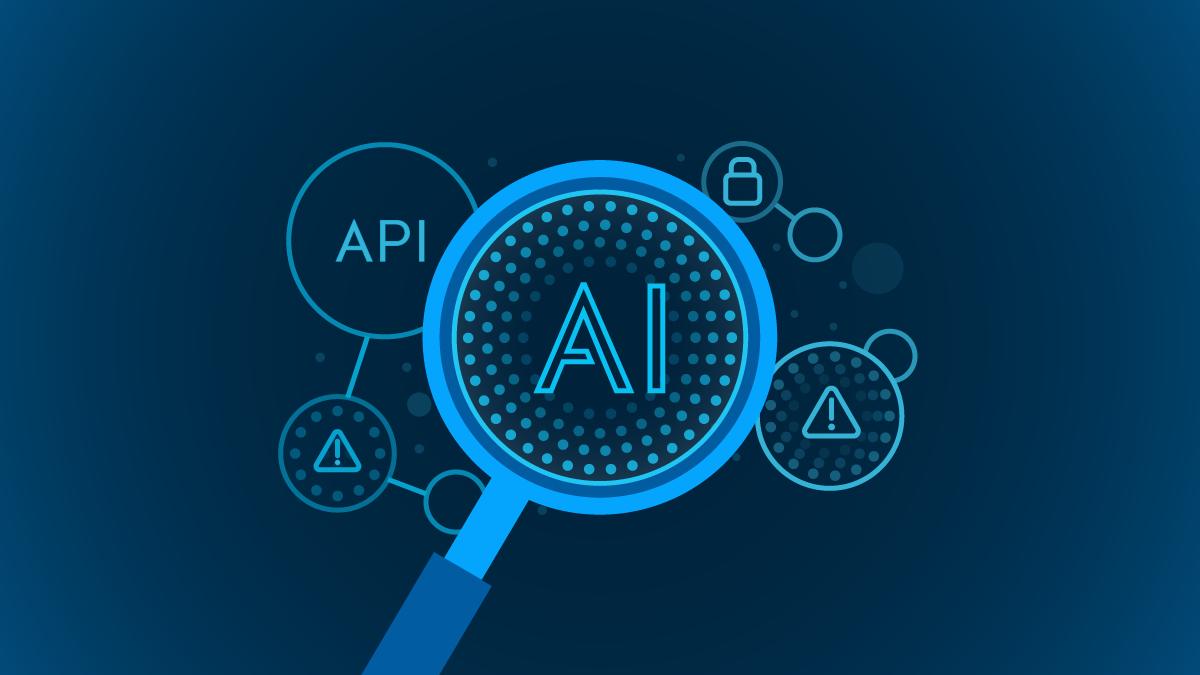
AI Checker: The Growing Need for Smart Content Verification
Artificial intelligence has changed the digital world faster than most industries expected. Businesses now use AI tools for content creation, customer communication, data analysis, and marketing campaigns. While these technologies improve productivity, they also create new concerns about originality, trust, and content authenticity. Because of this shift, the demand for a reliable AIチェッカー has increased across education, publishing, and online business sectors. An AI Checker helps evaluate whether written material was likely produced by artificial intelligence or by a human writer. As AI-generated text becomes more advanced and difficult to identify manually, these tools play an increasingly important role in maintaining quality standards and transparency online. An AIチェッカー is a digital tool designed to analyze text and identify patterns commonly associated with AI-generated writing. Instead of comparing content against published sources like traditional plagiarism software, an AI Checker studies sentence construction, vocabulary behavior, linguistic predictability, and writing consistency. Modern AI systems often generate content with smooth grammar and balanced sentence structures. Although this can improve readability, it may also create repetitive phrasing and unnatural predictability. AI detection tools use machine learning models to recognize these characteristics and provide probability-based evaluations. Many companies, schools, and publishers now use AI Checker technology to support content verification processes and encourage authentic communication. The increasing popularity of artificial intelligence writing platforms has created a greater need for verification systems. Organizations want to ensure that content meets quality expectations while remaining original and credible. Educational institutions are among the largest users of AIチェッカー technology. Teachers and universities aim to encourage independent thinking and genuine writing skills. AI-generated assignments may reduce opportunities for students to develop creativity, research abilities, and critical analysis. See more: 生成aiチェッカー Website owners and online publishers depend on original articles to attract readers and maintain search visibility. Content created entirely by automated systems can sometimes appear generic or lack unique perspectives. Using an AIチェッカー helps editors review submissions more effectively. Businesses increasingly automate customer emails, product descriptions, and internal documentation. However, companies still want to preserve a natural brand voice and maintain customer trust. AI detection systems support quality control while allowing responsible use of automation. Clients hiring freelance writers often request authentic work tailored to their target audience. AIチェッカー tools help verify originality and ensure the final content reflects human creativity and strategic thinking. AI detection technology relies on advanced language analysis methods. Instead of searching for copied text, these systems evaluate writing behavior. Artificial intelligence often creates highly structured writing with predictable sentence flow. AI Checkers analyze these patterns to identify similarities with machine-generated text. Detection tools compare the submitted content against language models trained on large collections of AI and human-written material. This comparison helps estimate the likelihood of artificial intelligence involvement. Some advanced AIチェッカー systems evaluate transitions, emotional tone, and contextual depth. Human writing usually includes subtle variations, personal expression, and less predictable phrasing. As AI writing tools evolve, AI Checkers also improve through ongoing machine learning updates. This helps detection systems adapt to new writing technologies and maintain better accuracy over time. Not all AI detection platforms provide the same quality of analysis. A professional AI Checker should include several important capabilities. Users often need quick results, especially in publishing or educational environments. High-performance systems can scan lengthy documents within seconds. An effective AIチェッカー should explain why specific sections appear machine-generated instead of providing only a basic score. Simple navigation and clear reporting make the tool accessible for students, marketers, editors, and business professionals. Modern users work with articles, reports, emails, and academic papers. A flexible AI Checker should support multiple file formats and text structures. Confidentiality is important when analyzing business or academic documents. Secure AI detection platforms protect user data and prevent unauthorized access. Although AIチェッカー technology continues to improve, it still faces several limitations. Some human-written content may appear structured enough to trigger AI detection warnings. This is especially common in technical or highly formal writing. Artificial intelligence models are becoming increasingly natural and sophisticated. Detection systems must continuously adapt to recognize new language behaviors. AIチェッカー results should be treated as indicators rather than final proof. Human review remains essential when making important decisions about originality. Different writing styles, cultural expressions, and professional terminology can affect analysis accuracy. Advanced systems must account for these variations. Writers who use AI assistance can still create original and engaging material by applying thoughtful editing strategies. Personal insights, opinions, and examples make content more authentic and relatable. Careful editing improves sentence variety, tone, and originality while reducing repetitive phrasing. High-quality content should solve problems, answer questions, and provide useful information rather than simply filling space with keywords. Accurate research and trustworthy references strengthen content reliability and reader trust. As artificial intelligence becomes more integrated into daily communication, AIチェッカー systems will continue evolving. Future tools may include deeper contextual analysis, real-time monitoring, and improved multilingual capabilities. Rather than eliminating AI-generated content, these systems will likely support responsible AI usage by promoting transparency and maintaining content quality standards. Businesses and educators will increasingly rely on AIチェッカー technology to balance efficiency with authenticity. The growing influence of artificial intelligence has created a strong demand for dependable AIチェッカー solutions. These tools help identify machine-generated content, support academic integrity, improve publishing quality, and encourage transparent communication. Although AI detection technology still faces challenges, it remains an important part of the modern digital environment. By combining AI tools with human creativity, writers and organizations can produce meaningful, trustworthy, and high-quality content that stands out in an increasingly automated world. For more information: click hereIntroduction
What Is an AIチェッカー?
Why AIチェッカー Are Becoming Essential
Academic Use
Digital Publishing
Corporate Communication
Freelance and Content Marketing
How an AIチェッカー Works
Pattern Recognition
Statistical Language Modeling
Context Evaluation
Continuous Learning
Features of a Reliable AIチェッカー
Fast Content Analysis
Detailed Reporting
User-Friendly Interface
Multi-Format Compatibility
Privacy and Security
Challenges in AI Detection
False Identification
Rapid AI Advancement
Dependence on Scores
Language Diversity
Best Practices for Writing Authentic Content
Add Human Perspective
Revise Automated Drafts
Focus on Value
Use Credible Information
The Future of AIチェッカー Technology
Conclusion
- Al Satwa, Dubai, United Arab Emirates, " https://maps.app.goo.gl/PwVTAWkveH77tdV57"